


Home EV Chargers vs Public Stations: What Makes Sense for New Jersey Homeowners?
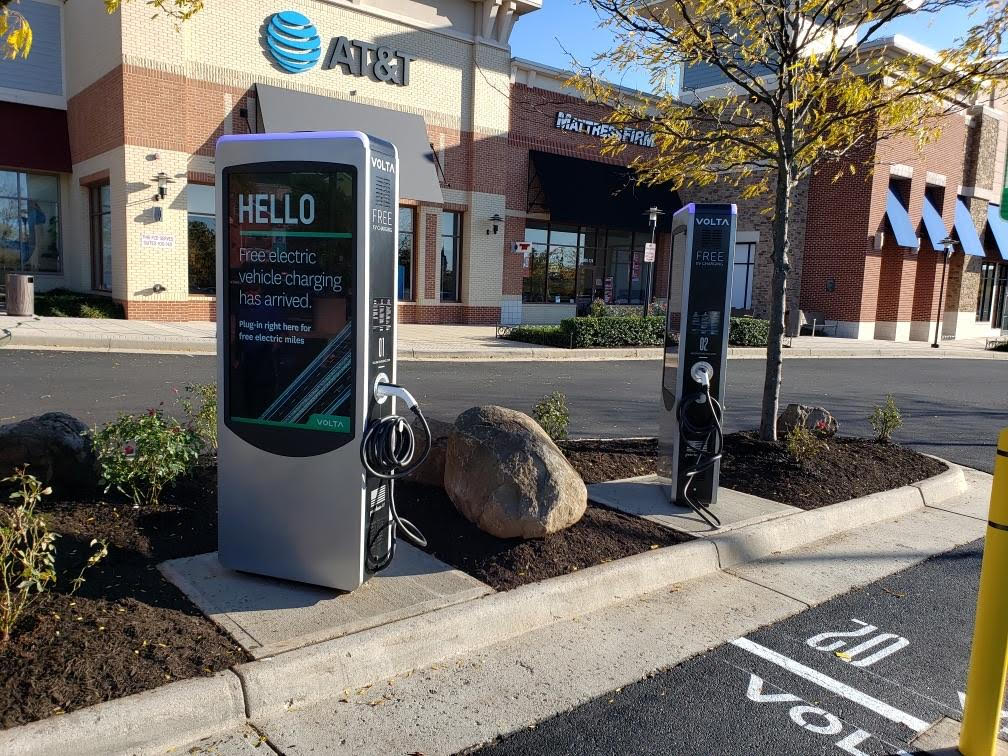 Thinking about the best way to keep your EV ready in New Jersey? The short answer is that most households benefit from a home charger for daily life, while public stations fill in the gaps. Below, we break down the tradeoffs so you can choose with confidence and plan a setup that fits your home, your commute, and our local weather. If you want a deeper dive on equipment and installation, explore our EV charging stations page.
What Home Charging Really Means In New Jersey
Home charging typically falls into two tiers. Level 1 uses a standard outlet and adds only a few miles per hour. Level 2 uses a dedicated circuit and delivers a much faster, dependable overnight fill. If you want a refresher, see what is a level 2 charger and why so many local drivers choose it.
Level 2 pairs well with New Jersey routines. Many families get home in the evening and head out early. A reliable overnight charge removes range anxiety and keeps mornings simple.
Pros and Cons: Home Chargers vs Public Stations
- Home chargers: predictable, always available, and easy to schedule while you sleep. You control the setup and can build around your parking space and panel.
- Public stations: helpful on road trips, busy days, or when you live in a walk-up, high-rise, or townhouse without dedicated parking.
Public networks are expanding, but availability can vary by neighborhood and time of day. A home charger becomes your baseline so you are not planning errands around a plug.
How New Jersey Weather and Housing Affect Your Choice
Our winters are cold and our summers are hot and humid. Both can reduce range and affect charging times. A garage or sheltered spot helps, and outdoor-rated equipment is a must for carports and driveways near the Shore. Salt air and wind-driven rain can be tough on hardware, so ask about protective placement and corrosion-resistant fasteners.
Housing stock matters too. Older homes in places like Newark and Jersey City may have tighter panels or longer wire runs to detached garages. Newer townhomes in Hoboken or Montclair often have compact parking that benefits from neat cable management and a mount point near the vehicle’s charge port. Plan the location so it works on the coldest mornings and the hottest afternoons.
Daily Life Scenarios: Pick the Path That Fits
If your week looks like school runs, a commute on the Turnpike, and weekend trips to see family, home charging keeps life simple. You plug in when you park, and you wake up to the range you need. Public stations still help on longer trips, but they are not running your week.
Apartment or condo living is different. If your building does not yet offer assigned charging, public stations can bridge the gap. Some residents work with their board or property manager to add shared chargers. Until then, plan charging during errands near supermarkets, malls, or municipal lots with stations.
Charging Speed, Range, and Scheduling
Charging speed is about the charger’s output and your car’s onboard limits. Most New Jersey households are happy when they can add dozens of miles per hour overnight. Scheduling matters too. Set a target time so the car finishes near your departure, which helps with battery conditioning in winter.
- Match charging to your routine, not the other way around.
- Leave cable slack for snow banks and crowded driveways.
- Keep the connector off the ground to avoid puddles and salt.
If you want a broad overview of brands, features, and installation steps, skim our summary of home ev charging options and use it to frame your questions.
Safety and Reliability Come First
Electric vehicle charging pulls steady, high amperage. That is why a proper circuit, correct breaker sizing, and clean cable routing matter. Always use a licensed installer who understands bonding, grounding, and best practices for wet or cold locations.
Public stations also deserve a quick safety check. Look for intact cables, clean connectors, and signage that keeps cars clear. If a station looks damaged, choose another. Do not force a connector that feels misaligned, and report obvious issues through the operator’s app.
When Public Stations Make Sense for New Jersey Drivers
Public stations are great for road trips down the Parkway, weekend games across the state, or days when your mileage spikes. They also help when you cannot install at home yet. Plan charging stops near places you already visit. That way you are grabbing a few miles while you shop, eat, or meet friends.
In dense areas like downtown Jersey City or near campuses in Princeton, public chargers can be busy. Build a backup plan and consider a short top-up earlier in the day if you see an open stall.
When a Home EV Charger Pays Off in Convenience
A home charger is about time and peace of mind. You park, you plug in, and you are done. Families with multiple drivers love the routine. If you have a second EV coming soon, talk with your installer about panel capacity and a layout that simplifies future upgrades. Plan for tomorrow’s needs so you avoid redo work later.
Even if you drive fewer miles, the convenience is real. No detours. No waiting. Your charger is always open, even after a late night or in the middle of a snowstorm.
Smart Planning Tips for New Jersey Homes
Think about where you park and which side your charge port sits on. A mount near the front corner of the parking space often gives the best reach for different vehicles. Keep the cable path clear of doors, bins, and snow blowers. If you park outside near the coast, ask for a sealed backplate and stainless hardware.
Curious how all the parts fit together? Our quick guides and recent articles explain equipment features and installation steps in plain language. A great starting point is this explainer on what a level 2 charger does in day-to-day use. And if you want a broader overview of services, you can learn more about electric vehicle charging stations in New Jersey from our main site.
Public vs Home: A Simple Way to Decide
Ask yourself two questions. First, can you reliably park near the same spot most nights? Second, do you prefer your charging to happen while you sleep? If the answer to both is yes, a home setup is the clear winner. Public stations are still valuable for trips and edge cases, but they are no longer running your calendar.
If your parking is shared or unpredictable, lean on public charging and keep watching for building upgrades. Many boards and property managers are now planning shared chargers that match New Jersey’s growing EV adoption.
Getting Started With the Right-Sized Home Charger
The easiest next step is a short call with a specialist. Share a photo of your parking area and panel, mention where you live, and describe your daily miles. An expert will map out a clean wire path, choose outdoor-rated gear if needed, and set a plan that fits your home layout and seasons.
To see how EV Charging Installers of America approaches design and installation, visit our page on ev charging stations. When you are ready to talk, call 855-373-9566 and we will help you plan a safe, reliable setup that just works.
If you prefer to read a bit first, this quick article on avoiding common pitfalls is a helpful overview: ev charger installation mistakes to avoid. It covers planning, weather, and everyday usability so your final install is smooth.
New Jersey drivers deserve charging that fits real life. Set up a plan that matches your home, your weather, and your miles. Then let your EV fade into the background while you get on with your day.
Ready to make charging simple? Connect with EV Charging Installers of America at 855-373-9566 and get guidance tailored to your home and routine in New Jersey. Call now for EV chargers in New Jersey.


